
Indiana Produce Auction Data
Much of what FARMWISE Staff does is face to face and in-person. Meetings, conferences, farm tours, talks over coffee, etc.
Field Notes: Audrey Kaul
We use data to inform our actions and often times the data comes to us in handwritten notes, voicemails, and via a fax. Several of our Value Chain Professionals have been working with and attending their local produce auctions last growing season. Each produce auction has their own method of recording prices, weights, variety of produce, and farms that sell at each auction. But in most cases this information is handwritten.
As each of the VCP's began collecting these auction reports in-person, the idea bubbled up that FARMWISE could consolidate this valuable information to track price trends and seasonality for the auctions. There is very little data available in Indiana about these auctions- only Adams County Produce Auction has their data available on the USDA website. With this information, it would help ease the communication barrier between buyers who would be interested in participating at local auctions, whose marketing is largely word of mouth.
With the slower winter season, we thought we could begin to tackle the mountains of data available. FARMWISE VCP Becky Landes works closely with Clearspring Auction located in LaGrange County, who hosts their auctions around three times a week all the way from April to December. The auction faxed all of these sheets, which comprised 74 auctions, over to a FARMWISE's inbox.
There is no easy way to transfer written pdf sheets into Excel, so FARMWISE VCP Audrey Kaul went through each line and manually entered 600+ lines of data. This took a few weeks, and it was impressive to see the breadth of products that the auction brought in- all the way from cherry tomatoes to patio ferns. Once the data was all entered, Audrey was able to create (with a lot of Excel training) produce availability charts with monthly average prices and weights for each product.
For example, the auction sold approximately 40,000 watermelons over the 2025 season from June to September. There are a lot of interesting data points, but the main purpose of this analysis is to provide clearer snapshots of the prices and weights available at this auction for local buyers.
It can help the VCPs and buyers be strategic- if a school wants zucchini but has a tight budget, it would be best for them to attend the auction when prices drop at peak quantities, in July. If a restaurant wants the first tomatoes, it is easy to see when the earliest tomatoes come through the auction.
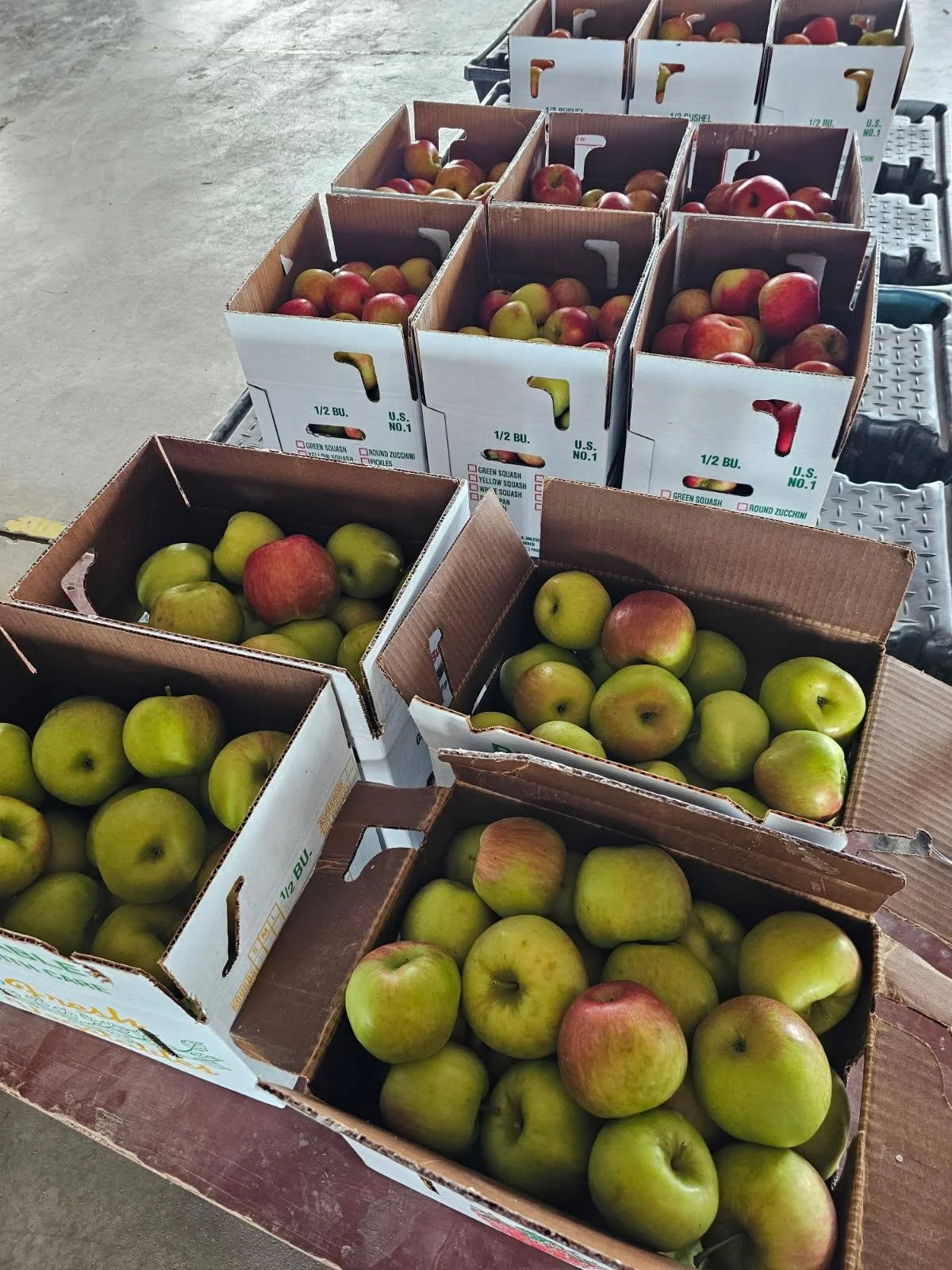
Produce auction houses act as a hidden engine for the distribution of local produce in Indiana, and it has been fascinating to get a snapshot of what a season looks like for them.
Interested in buying from an auction? There are several across the state and allow anyone to purchase- you just have to become a buyer with the auction location and receive a number. This is a quick, easy, and free process that you can do in minutes by arriving a bit early to review that days offerings.
Adams County Flower and Produce Auction
Daviess County Produce Auction
Southeastern Indiana Produce Auction
Rockville Produce Auction, LLC
Contributed by FARMWISE Indiana Value Chain Professional Audrey Kaul
