
A synopsis of responses from local food buyers
Whether you run a school cafeteria, campus dining hall, restaurant, food security program, or food business, the idea of sourcing local food can feel daunting. Where do you find farmers?
What if the price is too high? What if the kids won’t eat it? How do you fit it into your existing systems?
In 2024, we interviewed 26 people across Indiana and Kentucky who have already been putting themselves to the challenge to see what advice they would give someone just starting out. Their answers were remarkably consistent. Here are the lessons that came up again and again.
1. Start small
The most common advice, by far, was not to overhaul everything at once.
Susan Bright
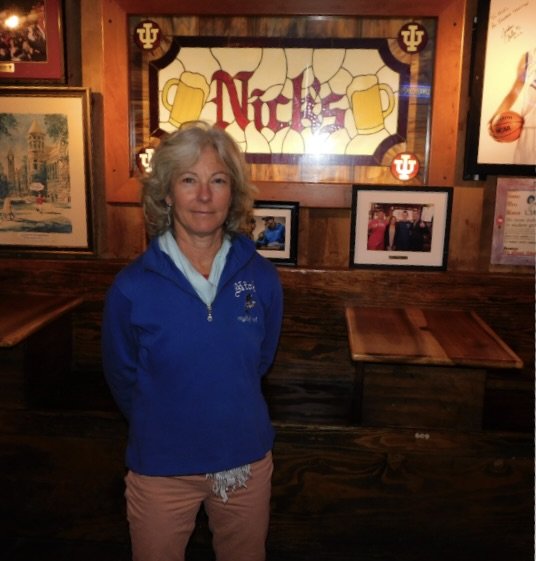
Susan Bright of Nick’s English Hut started with onions, then added other products as the years went on. Amanda Stout of Greenfield Central Schools suggests picking one menu item rather than revamping the whole thing. Lara Armstrong of Berea College recommends choosing something you enjoy, like beef, fruits, or vegetables, and building it into your budget gradually.
Chris Ross of Levy Restaurant Group says to pick one thing that’s readily available or that you’re passionate about, and notes that it opens up creativity.
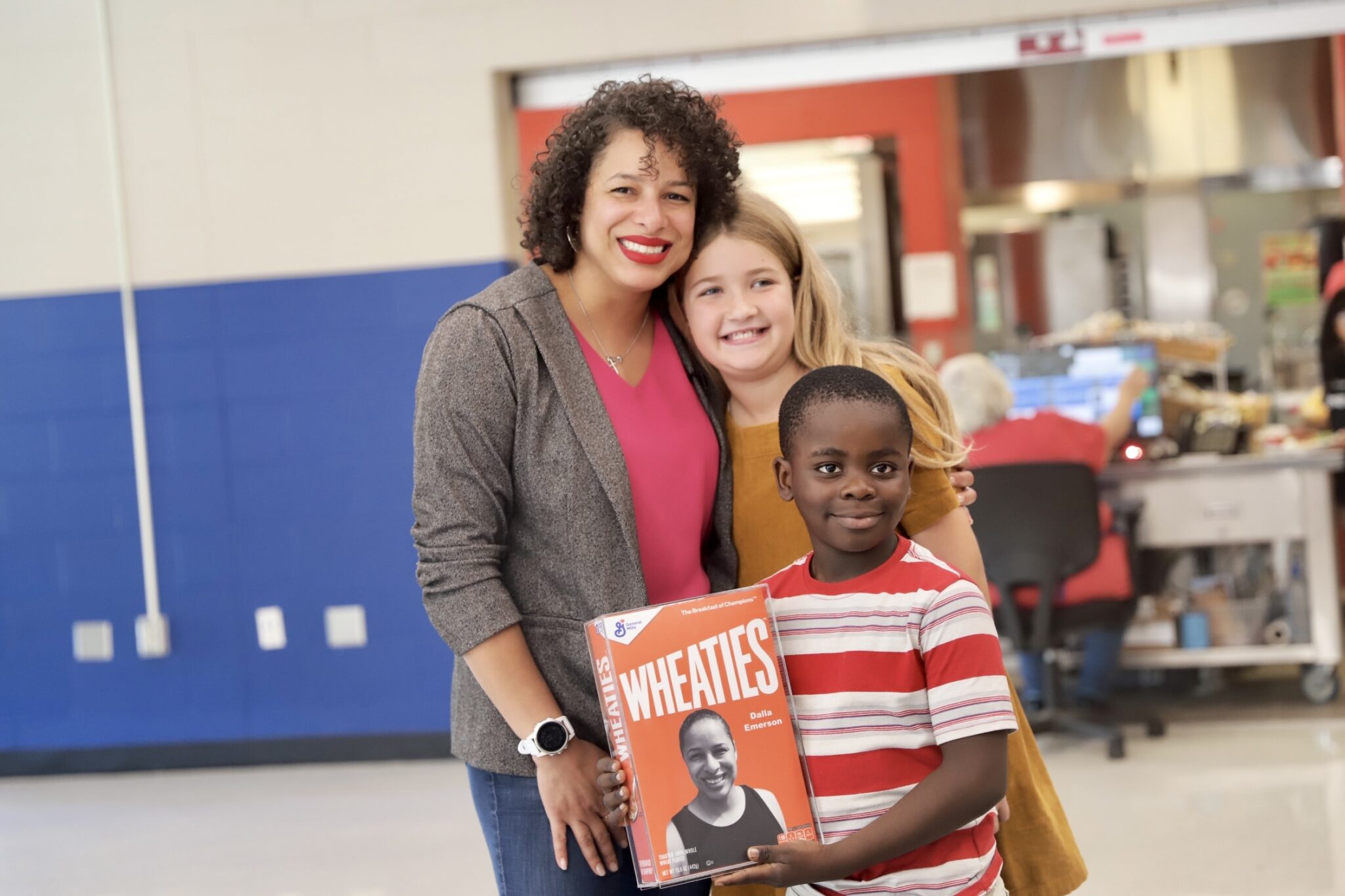
You can also start small in scale. Dalla Emerson of Bowling Green City Schools recommends piloting at one school instead of the whole district, working out the kinks, then expanding. “The elephant of Farm-to-School has to be eaten one bite at a time,” she says.
Dalla Emerson
2. Meet your farmers in person
Many buyers said the first step is simply showing up where farmers are.
Ron Abdon of Lost Farm Meal Service builds relationships by going to the weekly farmers market. John Foster of The Sage Rabbit suggests asking farmers what’s best to start with, and watching over several visits. If farmers present themselves well at market, they’ll likely be good partners. Dan Rawlings of Good Foods Co-op says to put yourself out there and network, talking to chefs and farmers alike. Rebecca Simmons of the Salvation Army says finding farmers and vendors is the key, so organizations like Region Roots that help connect the two are important.
Anitra Pierson of Prairie Heights says, “Just make those connections. You’ve got to know who to talk to or who to go to otherwise you’re just sitting here looking around going ‘I don’t know where to get what I want.”
3. Ask for help, and take it when it’s offered
You don’t have to figure it out alone. Several interviewees emphasized the fact that support is out there..
Teal Keenan of Marion Community Schools says to reach out, get help and seek out the professionals, who are a wonderful resource. Vickie Coffey of Richland Bean Blossom Schools agrees saying, “When people offer to come to the school and help, let them.” She also pointed to FARMWISE as a resource.
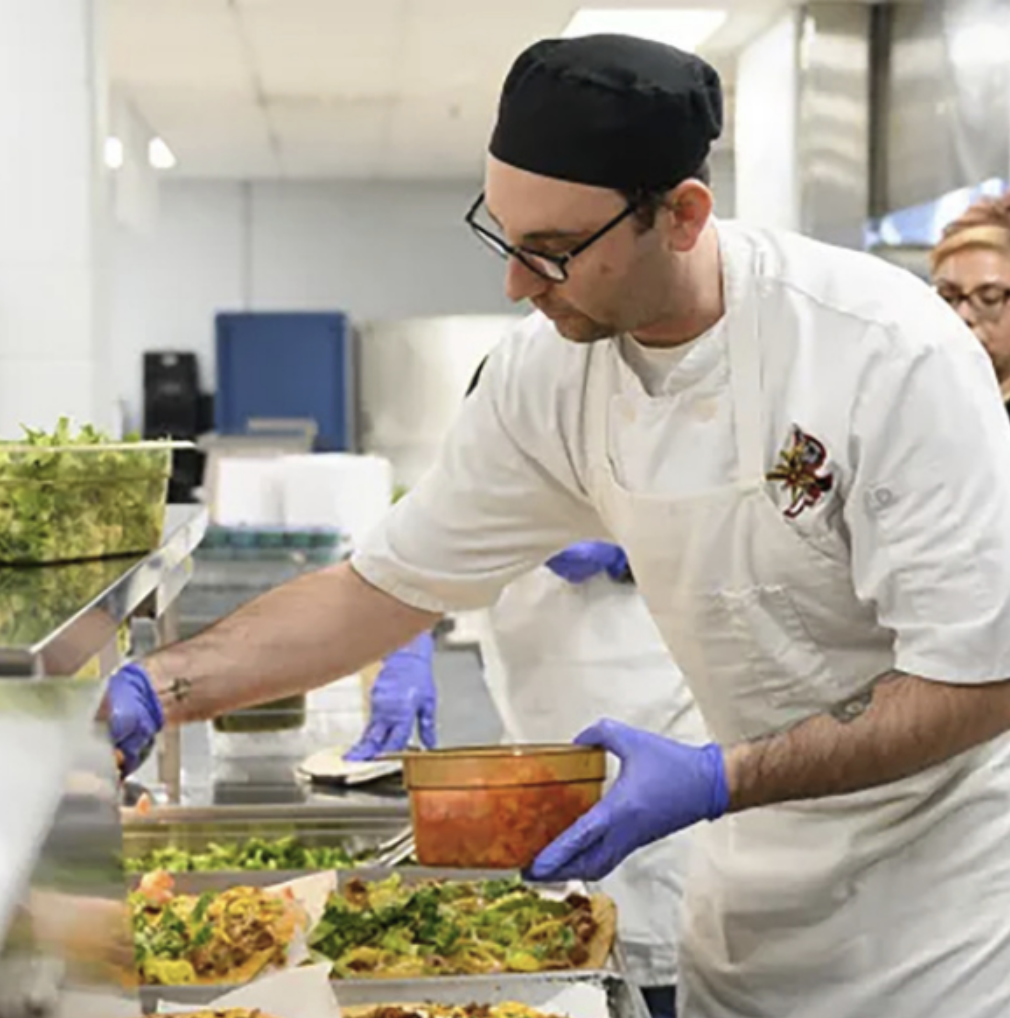
In northwest Indiana, four different interviewees (a school chef, a frozen food maker, a charity food site and a café owner) all credited Region Roots, which lets buyers order online from about 15 local farmers. Nick Alessandri of River Forest Schools said having Region Roots do the legwork is big, because they hold the relationship with the farmer so he doesn’t have to contact farmers directly.
Kathy Campbell of Campbell’s Creelsboro Country Store in Kentucky suggests finding a mentor. “Even a weekly phone call would help”.
4. Check what you already buy, and start with your distributor
Nick Alessandri
You may be closer to local sourcing than you think. Vickie Coffey advises assessing where you are first, because you may already be buying locally. If you’re just starting, check what options you might have with your broadline distributor. Jama Fernung of DeLullo’s notes that it’s easier through a supplier, but even then you have to seek out the local options.
One caution from Allyson Straka of The Frozen Garden is that distributors can come with big minimums. A 50 lb case of cucumbers might work well for a large operation but not for a small restaurant. If that’s you, look for co-ops, aggregators and pooled orders. Ron Abdon suggests working with other small businesses to meet a delivery minimum.
5. Give it time
Buyers were honest about the fact that change didn’t happen overnight for them.
Susan Bright advises giving yourself a year to accomplish your goal. Nick Alessandri expects the full shift to take 5 to 7 years. He’s in year 4, having moved from introducing vegetables to more creative menu work to fresh beef and pork, and chicken up next. Dalla Emerson reminds buyers not to give up if the first try fails. If you’re working within a district, you can try again at another school. Her framing is to shift from “what’s the result right now” to “what will benefit my kids in the long run.”
6. Set your team up for success
Sourcing is only half the job. You also have to make it work in your kitchen.
Nick Alessandri says to be in your kitchens and understand the labor involved. When you add something to the menu, make sure that it’s reasonable for your staff.
John Foster offers the advice to get your basics done first (onions, celery, carrots, mushrooms) and stay away from protein until you’re confident. He adds that if you ask a farmer to grow something for you, you have to buy it, so design it into your menu.
Make it fun, too. Kathleen Prechtel of St. Lawrence Catholic School suggests events like Indiana State Fair Day, Apple Crunch Day tied to a fire drill, and the Kindy 500 with milk served at the end.
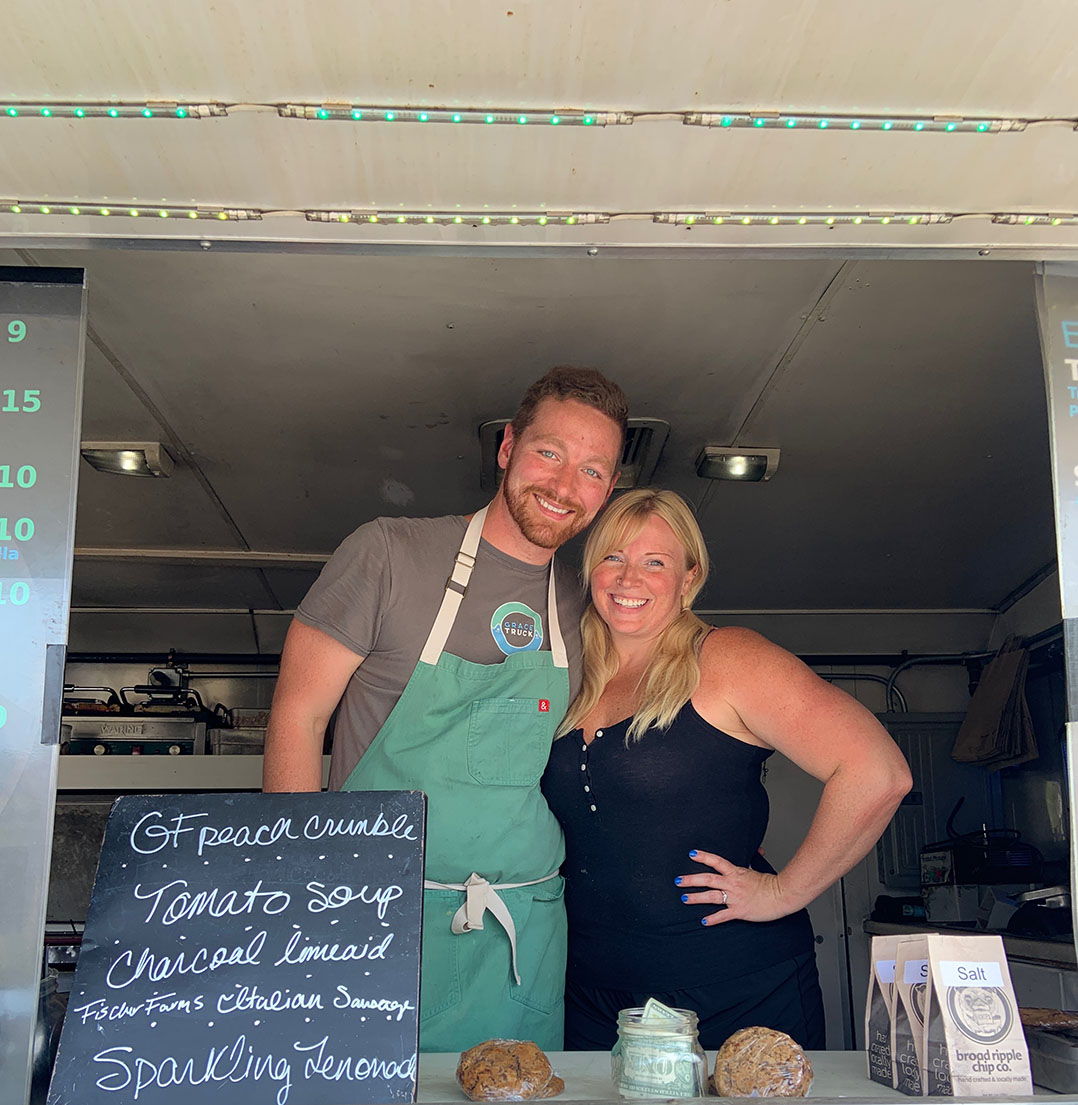
Grace Truck
7. Know your why
Several interviewees said the motivation can matter as much as the logistics.
Lori Himmelsbach of Kentucky Millstone says to educate yourself on why local sourcing is important. Chrissy Creech of St. Benedict Cathedral School believes it’s sometimes worth the extra money and effort for students to enjoy food “the way God made it”. Dalla Emerson wants her district’s legacy to be good food, not “square pizza.”
Courtney FitzSimons of West Lafayette Schools says not to let the process intimidate you, because you will find the partners you need and it will boost participation. April Slick of Huntington University says, "You won’t know until you try it.” Their campus garden took only four months to get going once they got the green light.
Jeremiah Clark of Grace Food Truck added a reason to make the effort: “It’s just better. The quality is higher and the price increase is worth it.”
Though the hurdles to buying local are many, the benefits are too. If you take one thing from these 26 interviews, let it be these words from Vickie Coffey, “Do it! And Let people help you!”
FARMWISE is always available as a resource. Reach out at hello@farmwiseindiana.org with questions of how we can help you can started!
