
Ideas from institutional and food business buyers on how state support could help institutions buy more local food
Michigan pays food service directors an extra 10 cents for every meal that includes local ingredients. New York returns money to school food services that buy 30% local food. We asked Indiana and Kentucky buyers in a 2024 interview project the question: “If Indiana made an investment so you could buy more local food, what would it need to look like to actually help?”
Their responses varied but, taken together, they point to a handful of themes that kept coming up.
1. Put money close to the buyer
The most direct idea was funding that reaches the people placing the orders, and several buyers had concrete designs in mind.
Anitra Pierson of Prairie Heights suggested the state adding funds into the commodity allowance, working like a state match: “You buy 10, 20 or 30 percent local, and the state doubles that match.” Courtney FitzSimons of West Lafayette proposed an entitlement-style allocation, where each school gets a set amount of money to divert to local farmers. She noted it would be easier to track than counting menu items.
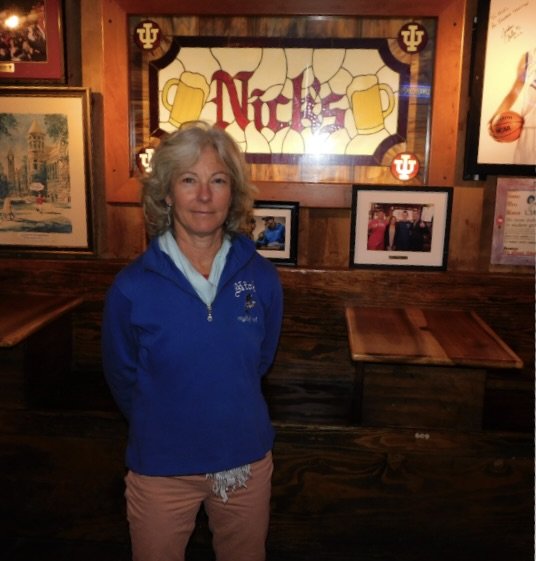
Susan Bright, Nick’s in Bloomington
Susan Bright of Nick’s English Hut pictured a grant to buy a set amount of produce for one year, with the state returning 50% of the cost. Her restaurant has to hit a gross profit target, so a 2% shortfall from higher costs could mean a $10,000 loss, but state reimbursement would help cover that gap. Teal Keenan of Marion Community Schools said that “kickbacks are always welcome” with rising food costs.
Rebecca Simmons of the Salvation Army said “the closer you can get money to the front line, the better,” explaining that when grants go to larger food banks that then pass things along to them, it can introduce challenges like quantities outside their scope. When food sites receive funds directly, they can buy the quantities and variety they need, rather than taking on large bulk amounts and having to cover transport and storage.
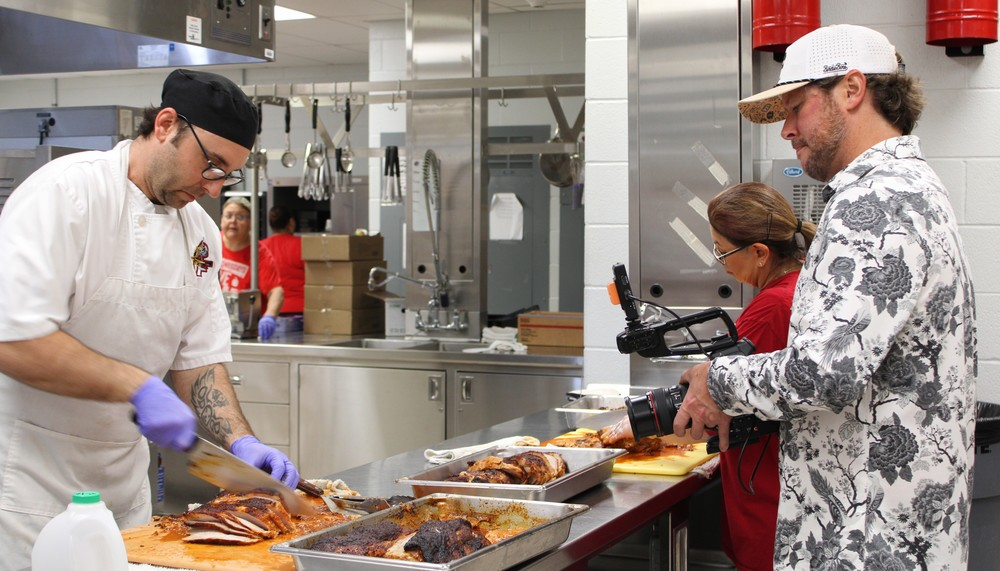
Nick Alessandri, River Forest Schools
Nick Alessandri of River Forest Schools explained that if the state won’t provide partial funding [for local food], schools will say they can’t afford it and throw in the towel. He also floated an idea that schools be required to do farm-to-school two days a week to encourage purchasing.
“Attendance will go up if the food is good.”
2. Fund the middle of the supply chain
A second theme was that the missing piece isn’t always farmers or buyers but the connection between them.
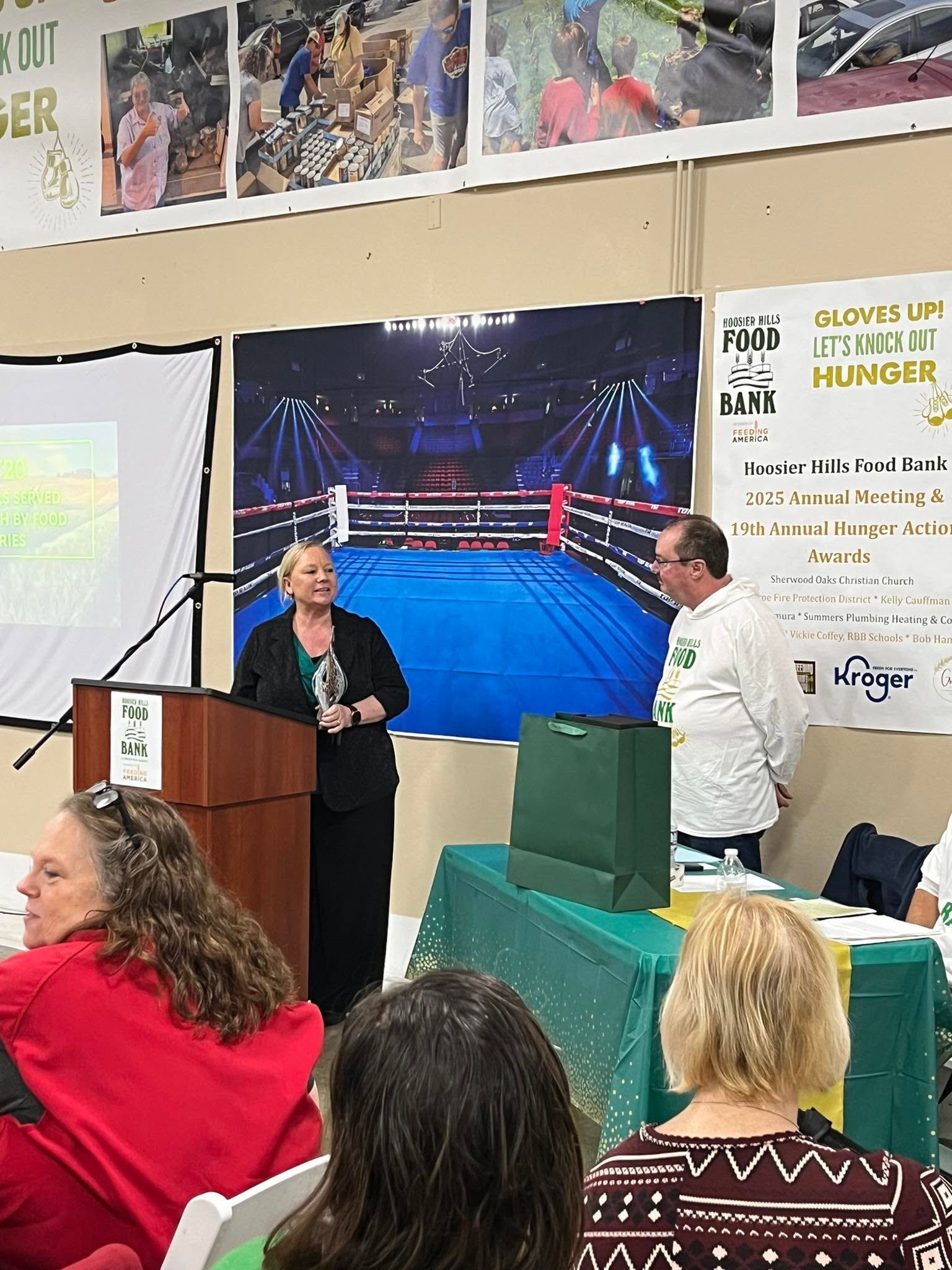
Vickie Coffey, Richland Bean Blossom Schools
Vickie Coffey of Richland Bean Blossom Schools imagined a pot of money going to distributors that would cut costs in half so they can carry local items for everyone in the state. Teal Keenan would love a state-run regional farmers market or “some sort of giant hub to order from directly” where the state buys from local farmers and gets products closer to schools, for example moving southern Indiana products north.
Allyson Straka of The Frozen Garden wants the state to invest in the middleman and in a platform to source from multiple farmers and have it delivered. She pointed out that Indiana Grown brought producers together, but it’s “just a directory,” with no distribution level on top. In her view, it has to be a network where people can buy year round.
Others echoed the idea. Kathleen Prechtel of St. Lawrence Catholic School wants a food hub that does the legwork, with “one-stop shopping,” plus partnerships with retailers or distributors that already have delivery set up. Jeremiah Clark of Grace Food Truck pictured an app where restaurants order from multiple farmers and everything arrives packaged and shipped. Jen Weatherholt of St. Meinrad suggested a directory, or a distributor that only distributes local products.
Mary Winstead of Local Source Food Hub said that the LFPA (Local Food Purchase Assistance Cooperative Agreement Program) funding had a good effect on building farmers and food systems and felt like a better application of funds over administrative uses.
3. Invest in people who can connect and teach
Several buyers said the biggest barrier is knowing who to call, and that sometimes specific individuals, not just programs, are the answer.
Anitra Pierson said, “We need a connector,” and wants more people doing the work of value chain coordination. Susan Bright suggested consultants who bridge the gap between institutions and farmers and educate buyers. Chrissy Creech of St. Benedict Cathedral School wants trainings for managers, directors and purchasers that connect them to farmers who can supply on time at a somewhat affordable price, ideally by folding farmer conversations into existing trainings or offering local visits. She added that timing matters: planning happens between November and January for the next school year, and DoD Fresh orders are due in December.
Kathleen Prechtel suggested technical support through Purdue Extension, since food service directors wear so many hats. Alex Knies of St. Meinrad said the hardest part is researching what’s available and that, while a directory would be great, “we still do have jobs we have to do,” suggesting that someone to take the guesswork out of finding options would allow them to source local food without disrupting the tight work schedules needed in most food service environments.
4. Build storage and processing capacity
Two buyers raised something that’s easy to overlook: physical space. Ron Abdon of Lost Farm Meal Service called for help with storage, freezer and cooler space, including subsidizing electricity or another cooler. He also sees demand for more shared commercial kitchens, which he said seems to be getting more full each year, and suggested incentives for churches to open their space to farmers and entrepreneurs.
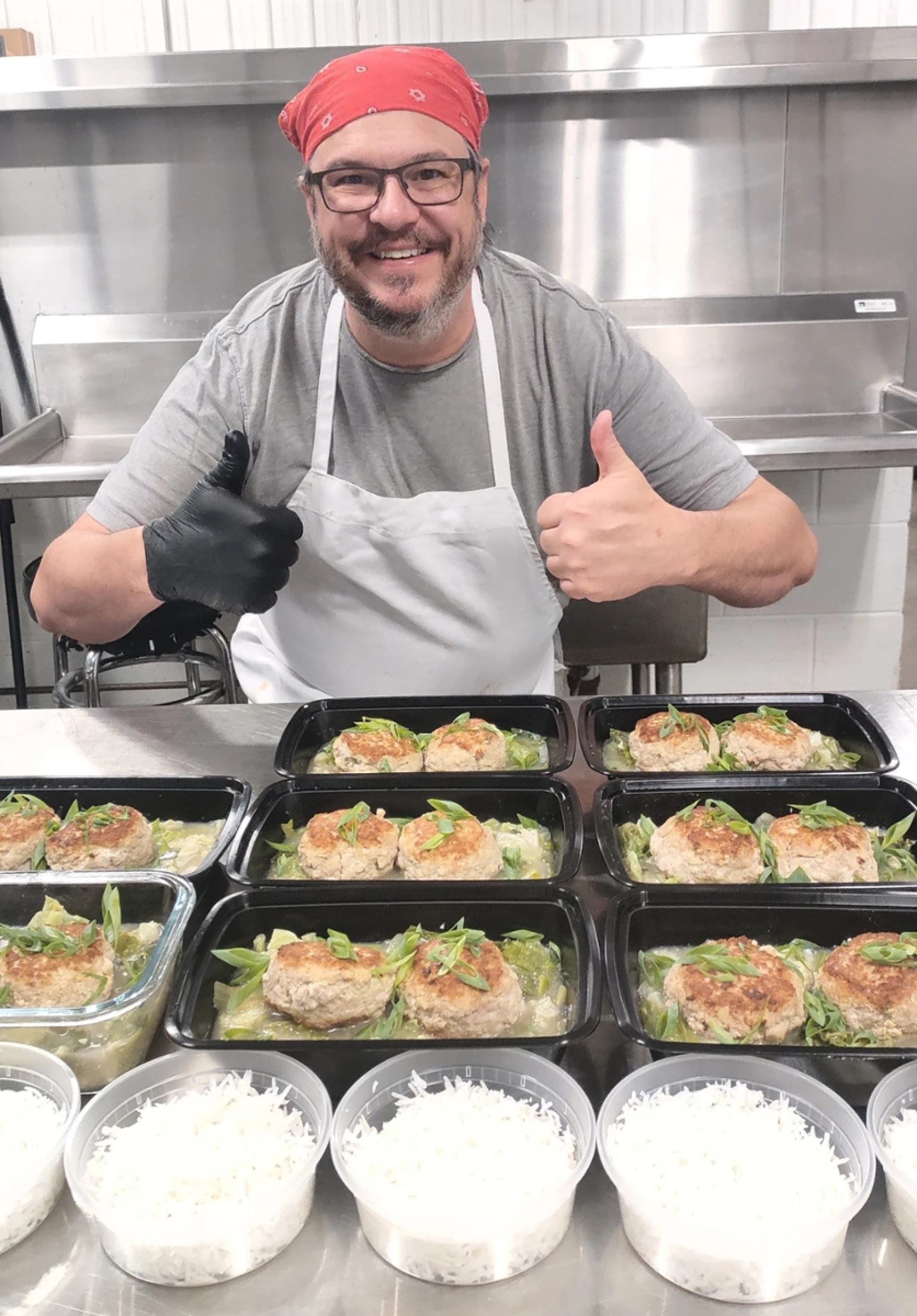
Ron Abdon, Lost Farm Meal Service
Allyson Straka made an argument for support for freezing and preserving local food so it can be accessed year round. She described a Northwest Indiana Food Council pilot in which she froze pumpkins, sweet potatoes and carrots for schools to use all winter. The schools loved it, but the grant that helped fund it was cut. She called that kind of extended availability “game changer”.
5. Help farmers grow and price competitively
Buyers also recognized that institutional demand alone isn’t enough. Local supply has to be able to compete.
Ron Abdon suggested tax breaks to help farmers lower costs to match wholesale pricing, and help for small farmers to offer lower prices. Allyson Straka said it took her farm partner many years to bring prices down, and she’d like funders to help bridge that gap sooner. Local greens cost her about $7 a pound after labor, versus about $1.75 for commodity frozen organic spinach, and she feels that farmers need to know buyers are there to keep working collaboratively on costs.
Mary Winstead said the challenge is "not an admin problem" but a land and grower problem. She called for farmer training and mentorship, more hands-on ag education and farm internships. April Slick of Huntington University asked for money to start or expand university gardens and to plant orchards, since trees are expensive.
6. Make it simple, steady and easy to run
Buyers also had design considerations for any program the state creates and advice for how food institutions might best explore new programs.
Amanda Stout of Greenfield Central Schools said an incentive would help, but asked who would track it and whether there would be funding for the administration. Chris Ross of Levy Restaurant Group warned that “hard to make the rebate worth it,” though small restaurants may rely on it more. Susan Bright suggested starting with one commodity Indiana is known for, such as onions or local corn and soybeans, to keep it manageable. Vickie Coffey said the number one challenge is the money and called for help finding and writing grants.
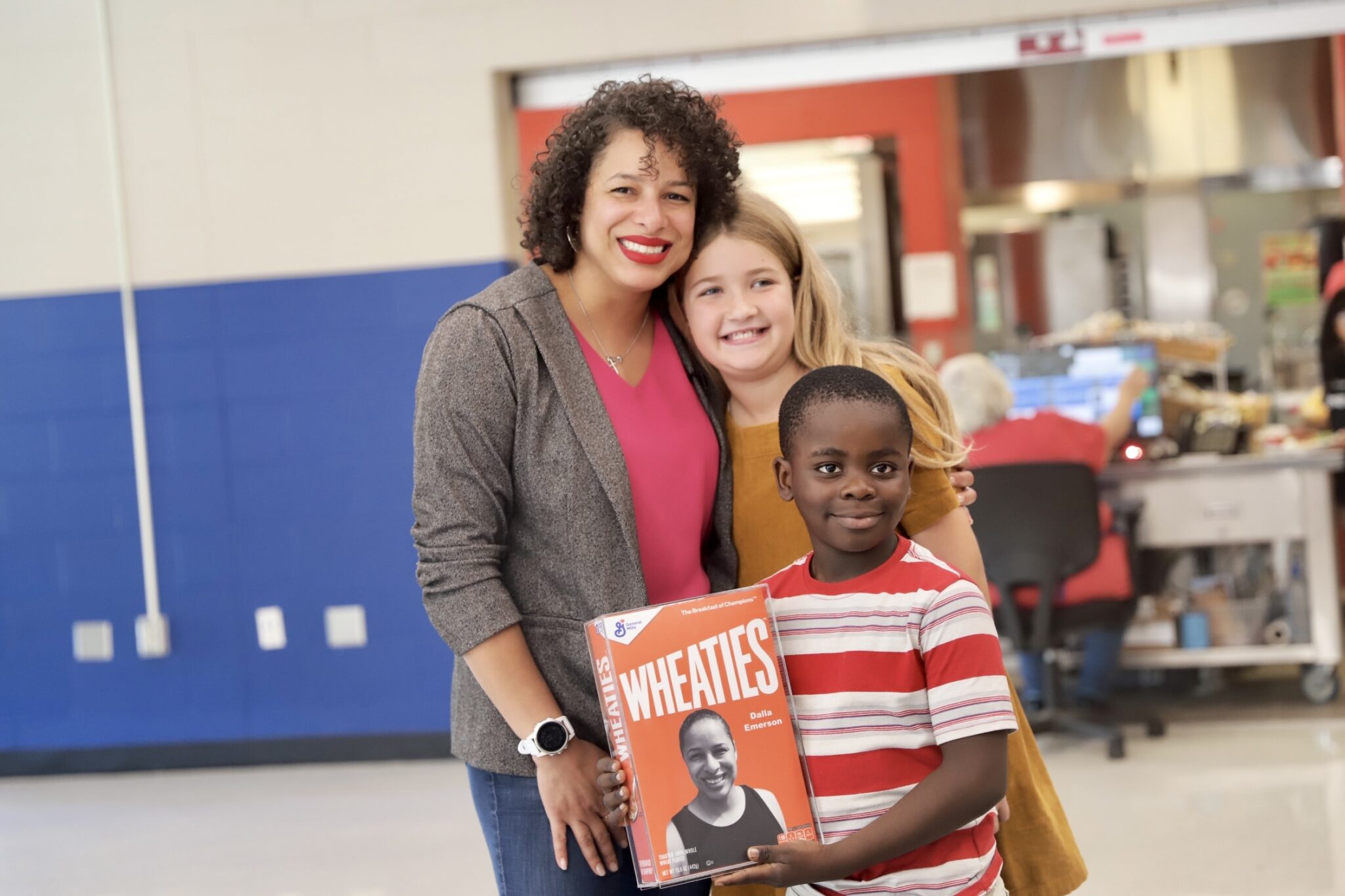
Dalla Emerson, Bowling Green Schools
Another element interviewees brought up is that stability matters. When a funded program ends, farmers who planted extra and buyers who built menus around new or subsidized items can end up feeling stranded. Dalla Emerson of Bowling Green City Schools in Kentucky explained that people need guaranteed funding that isn’t tied to student counts, and says funding “will always be the answer”.
Looking ahead
The interviews don’t describe a single program or focus on a single problem. The food system and the businesses and institutions that engage with it are complex, but it is clear that money is one of the biggest supports that can be applied to any branch of the equation. Whether it’s in the pockets of buyers, supporting the hubs and distributors that make ordering easy, funding the people who connect and train others, subsidizing storage and processing capacity, or strengthening farm operations, financial support is what the system needs.
For most parties involved, the values and drive are there, but it can feel out of reach logistically.
Jama Fernung of DeLullo’s shared an interesting point that a subsidy wouldn’t be the reason she buys local, but it might make her put more effort into seeking those products out.
Support from the state can help make that effort easier, and worth it.
