
Indiana's Farmstops: Where Local Food Systems Come to Life
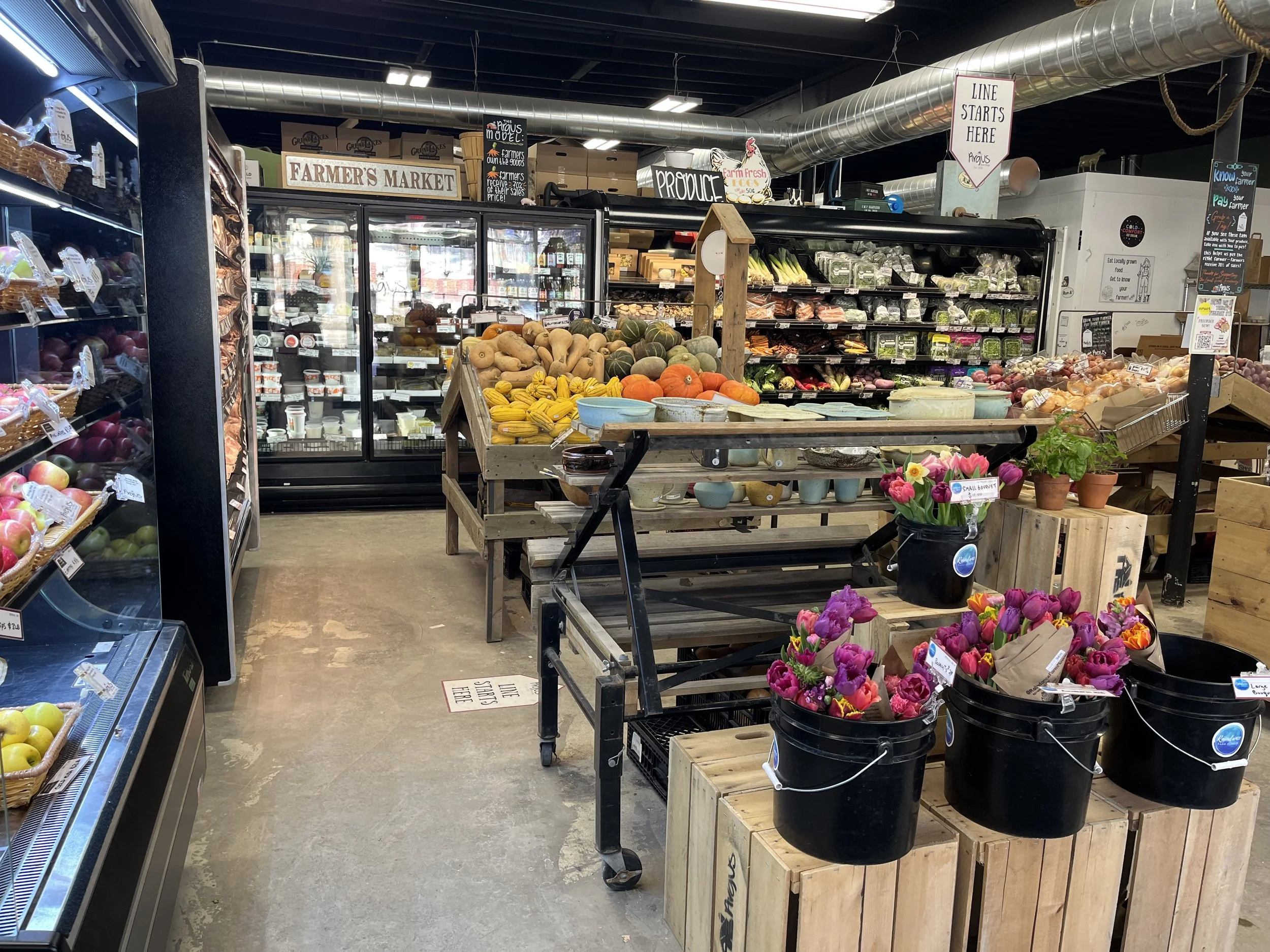
Call me a weirdo, but one of the things I love most about traveling is visiting small independent grocery stores and farmers markets. I cannot think of a better way to get a glimpse into an area's local food system than at these places. I am a bit of a foodie in that way because strolling grocery aisles looking for packaging I do not recognize, or maybe if the store does it well, there is a shelf tag with the farmer's name and location on it.
I have found regeneratively grown oats in Wisconsin, dried kombu seaweed in Maine, tinned white fish in Michigan, and regional delicacies like green chile sauce in New Mexico, all of which I lovingly stuff into my carry-on bag.
As part of my trip planning ritual, I do a little online sleuthing on Yelp, Reddit, and Google to fit in what appears to be the best examples. Often I will use terms like "health food store", "co-op grocery", "best farmers markets", and "producer-only farmers markets" to fuel my results.
Most recently, though, I have really found the gold mine when it comes to the experience I am trying to create, and that is with the term "Farmstop."
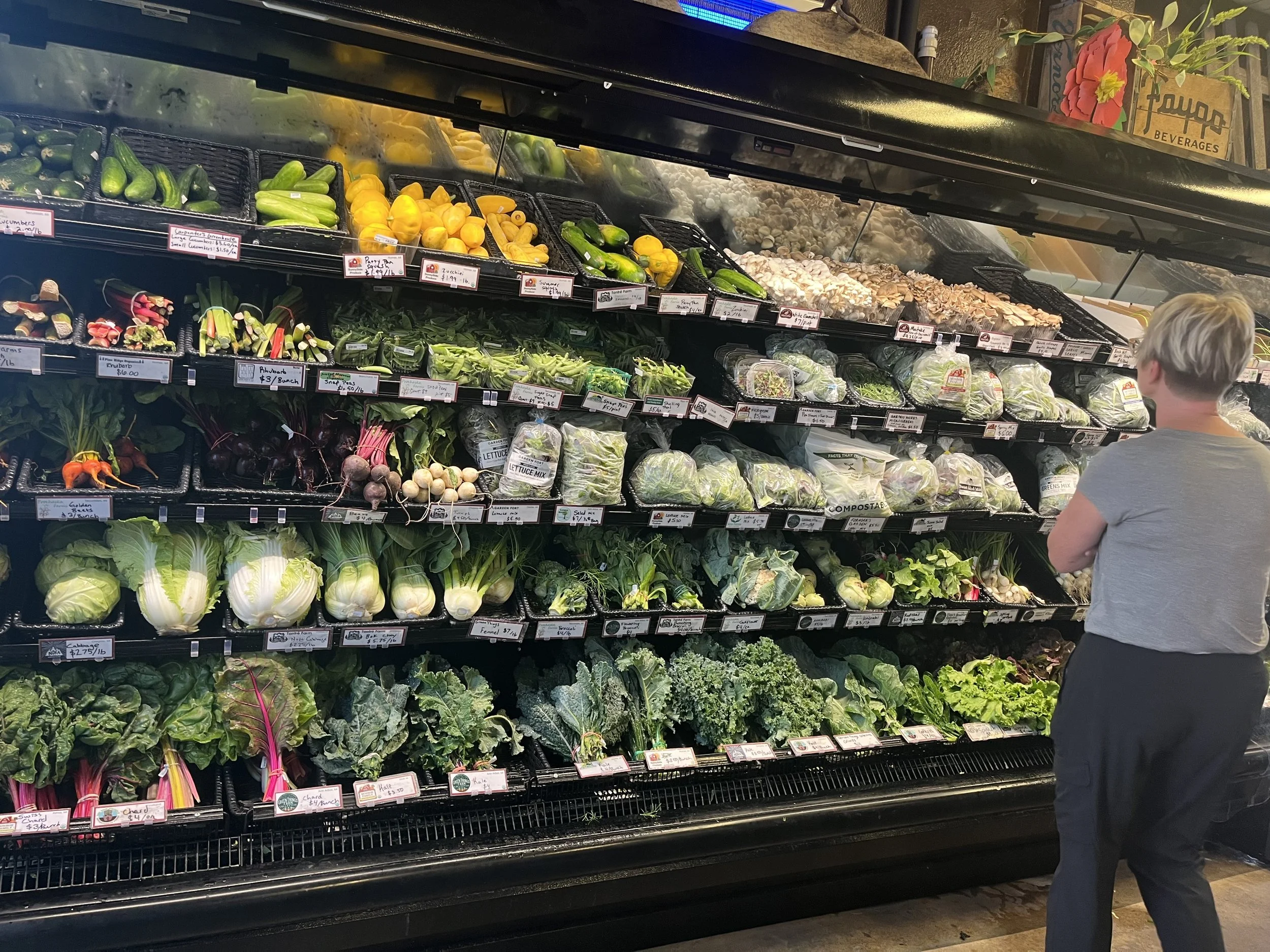
Farmstops are "year-round, everyday markets that support small-scale farmers and strengthen local and regional food systems. They do so most often by operating on a consignment model, which gives producers a fair price, flexibility with their time and products, and provides more direct connections with consumers." - Kathryn Barr, author of "How to Start a Farm Stop"
This of course looks a little different depending on the community and operator's needs. Indiana currently has four operating farmstops, though there are likely even more local grocery stores operating on a similar model. The four farmstops I will mention are Growing Minds Farmstop in Madison, Creekside Farmstop in Greensburg, Bloomington Farmstop Collective in Bloomington, and Bethel Lane Farmstop in Bloomington. Each operates with farmers and food business partners at the core of their model and recognizes that without their success, the store will not succeed. In this list we have businesses operating on three different ownership structures: two are LLCs, one is a farmer-owned co-op, and one is connected to a public K-12 school. The beauty of local food systems is that it takes creative and strategic collaborations to perform at the deepest level of positive impact. Shopping these stores is an experience of its own and you will find a refreshing array of products. I know that when I spend my money here, in most cases 70% of my purchase goes directly into the pockets of the farmers and food businesses themselves. This is a huge jump from the national average of 11.8% that food farmers and ranchers receive.
Travel aside, our communities rely on spaces like farmstops to provide viable market channels for local producers, as well as consistent and open regular shopping experiences for consumers. I live in Indianapolis and we do not yet have a farmstop. I am intentional about where I shop, and that often means I make multiple stops throughout the city to source my milk, bread, produce, and proteins, and on occasion I clear my Saturday morning to go to the farmers market or shop for grocery delivery online through Market Wagon. I am lucky enough to travel around the state working in local food systems, so when I know I am going to a community with a farmstop, I make sure to bring a cooler.
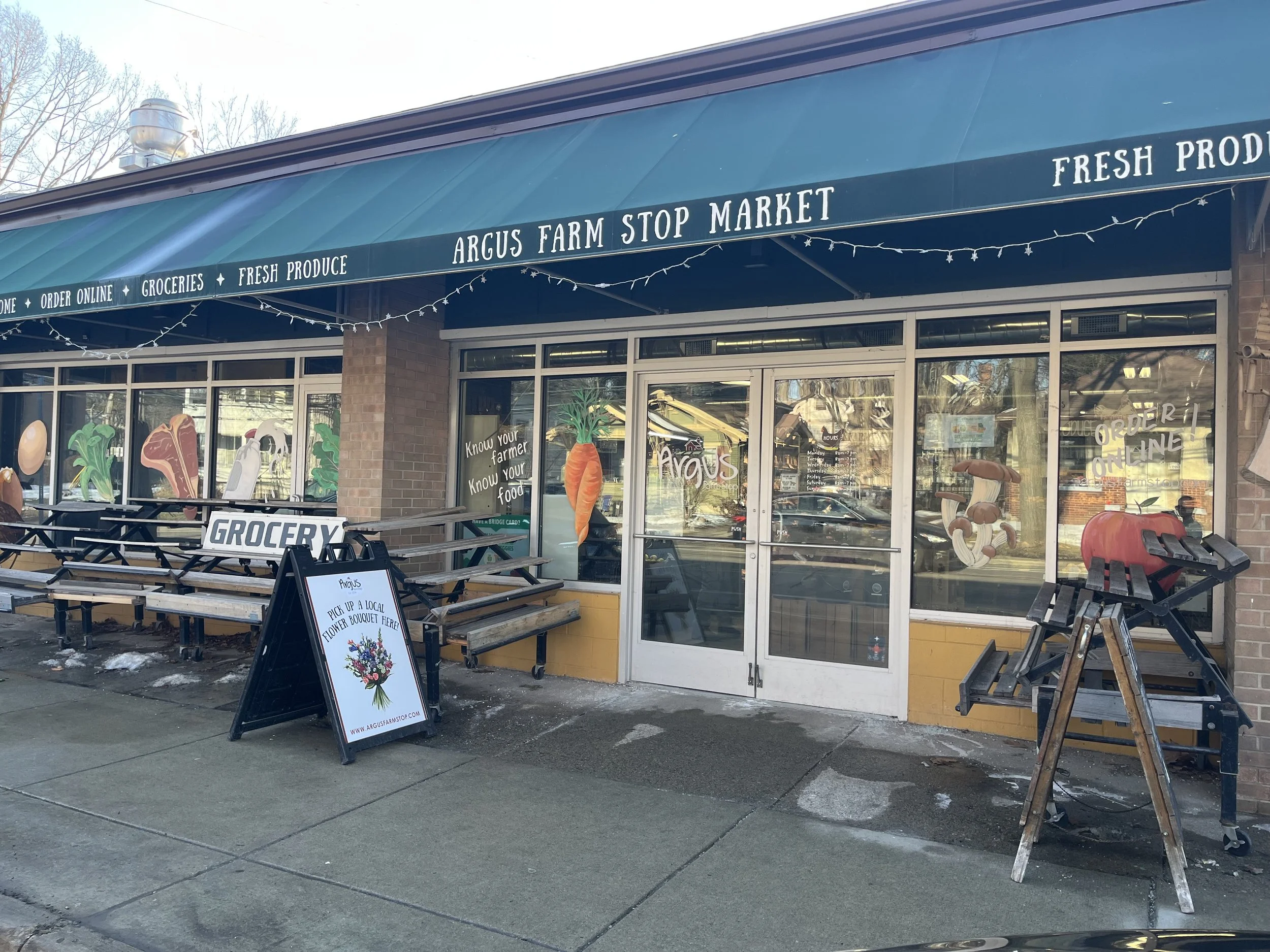
If any of this resonates with you, may I recommend you read a little about the farmstop model and visit a farmstop near you. I hope you will find a little joy in discovering what is being grown and made in your communities, and maybe pack your cooler next time you are visiting a community new to you.
As a way to support our current and future farmstop owners and shoppers, we are hosting a farmstop information session in mid-October. We aim to have representation from all of Indiana's farmstop operators and will follow this time with tours of two currently operating farmstops in Bloomington, Indiana. We will live stream the presentations in case travel is not an option for you.
We hope to see you there, and cheers to growing local!
Rachel Brandenburg, Food Distribution Manager
Indiana State Department of Agriculture
